Identifying Early Signs of Fence Post Failure
Fence posts are the foundation of any fencing system. While panels and rails are often the most visible elements, it is the condition of the posts that ultimately determines how long a fence will stand firm. For homeowners in Toftwood, Norfolk, recognising the early signs of fence post failure can help prevent more extensive damage and keep boundaries secure and well presented.
Why Fence Posts Fail Over Time
Fence posts are constantly exposed to ground moisture, temperature changes, and physical pressure from wind and movement. Over time, these factors can weaken even well-installed posts if early warning signs are overlooked.
Timber posts may deteriorate at ground level, while concrete posts can shift if the surrounding ground becomes unstable. Identifying problems early allows corrective action before the fence begins to lean or collapse.
Posts Leaning or Tilting
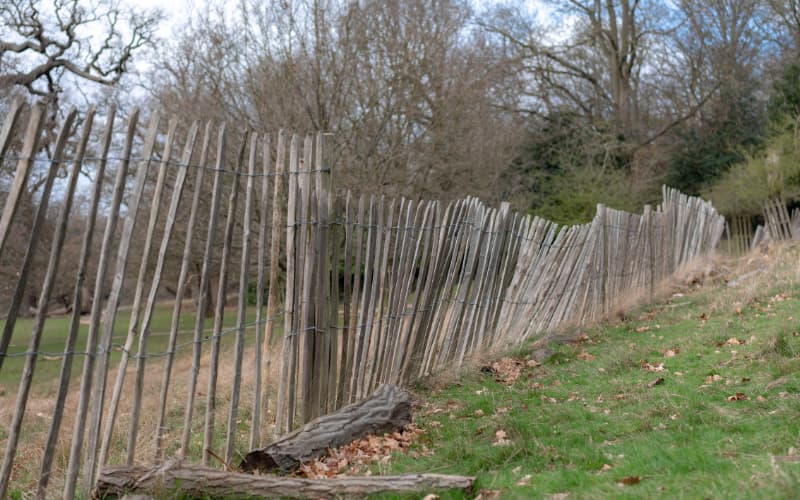
One of the clearest indicators of post failure is visible movement. If a fence line begins to lean, this often suggests that one or more posts have loosened at the base.
Even slight tilting can signal that the footing is no longer secure. Addressing this early can prevent further strain on neighbouring posts and panels.
Movement During Wind or Pressure
A stable fence should feel solid when lightly pushed. If posts move noticeably in windy conditions or when gentle pressure is applied, this can indicate that the post footing has weakened.
This type of movement is often a precursor to more serious structural issues and should not be ignored.
Deterioration at Ground Level
For timber posts, the most vulnerable area is where the post meets the ground. This section is exposed to moisture and can deteriorate without being immediately visible.
Signs such as soft wood, cracking, or surface breakdown near the base suggest the post may be losing strength internally.
Cracking or Shifting in Concrete Posts
Concrete posts are durable but not immune to problems. Hairline cracks, splitting, or noticeable movement can indicate that the ground around the post has shifted or that the footing is failing.
Left untreated, this can compromise the entire fence line.
Fence Panels Sitting Unevenly
When posts begin to fail, fence panels may no longer sit level. Gaps beneath panels, uneven heights, or panels pulling away from posts are all signs that the supporting structure is no longer stable.
These changes often develop gradually, making regular visual checks important.
Gates Becoming Difficult to Open or Close
Gates rely heavily on strong, correctly aligned posts. If a gate begins to drop, drag, or misalign, this is often linked to post movement or weakening.
Early attention can restore proper alignment and prevent further stress on the gate structure.
Why Early Action Matters
Fence post failure rarely improves on its own. When left unchecked, small issues can spread, placing additional strain on adjacent posts and panels.
Early intervention helps preserve the rest of the fence, maintaining both appearance and functionality.
The Value of Professional Assessment
Determining whether a post can be reinforced or needs replacement requires experience. A professional assessment ensures the correct solution is applied, preventing repeat issues and restoring long-term stability.
Conclusion
Fence post failure often begins subtly, but early signs such as leaning, movement, deterioration at ground level, or uneven panels should never be ignored. Identifying and addressing these issues promptly helps protect the integrity of your fence and avoids wider structural problems.
If you have concerns about the condition of your fencing in Toftwood, Norfolk, Fast Fix Fencing Toftwood can provide expert advice and professional repairs. Early action ensures your fence remains secure, straight, and dependable for years to come.
Call us on: 01362 702 195
Click here to find out more about Fast Fix Fencing Toftwood
Click here to complete our contact form and see how we can help with your fencing needs.